The Traitors: Anatomy of Television's Fastest-Growing Format
Origins, mechanics, and why millions watch strangers lie to each other.
The Format That Changed Everything
In March 2021, Dutch television premiered De Verraders - a social deduction game that would become the fastest-expanding entertainment format in history. Within three years, The Traitors had been adapted in over 35 territories, won multiple BAFTAs, and fundamentally changed how we think about reality television.
This article examines the format's origins, mechanics, and the psychological hooks that make it compulsively watchable.
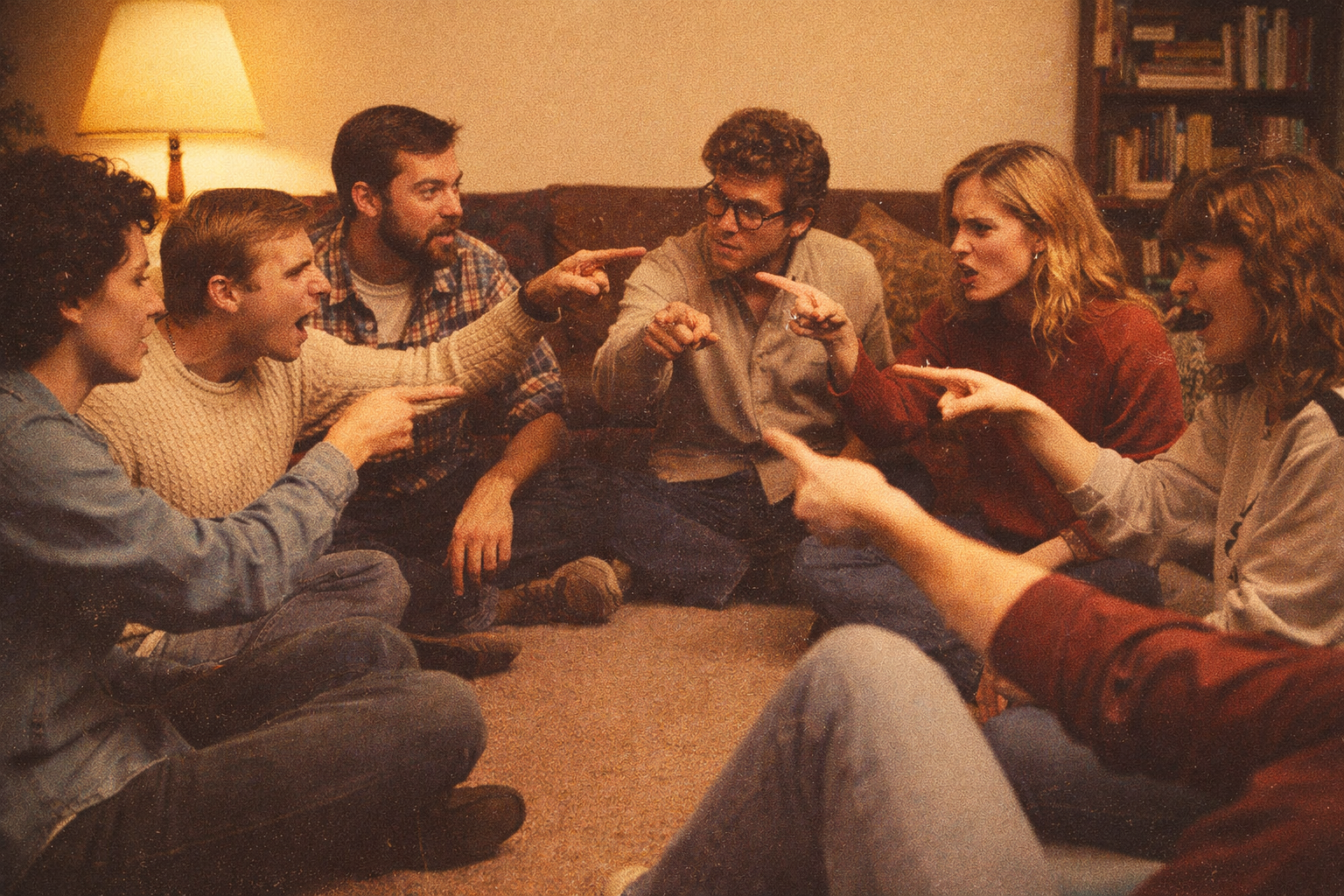
The party game Mafia/Werewolf - the precursor to The Traitors format
The Core Mechanics
The Traitors operates on a deceptively simple premise: a group of contestants compete for a shared prize pool. Most are Faithfuls - honest players trying to identify hidden threats. A small minority are Traitors - secret saboteurs who eliminate Faithfuls through nightly "murders" while pretending to be innocent.
The Daily Loop
- 1. Breakfast - Murder victim revealed; shock and speculation
- 2. Mission - Challenges to earn prize money (potential sabotage)
- 3. Round Table - Public discussion and accusations
- 4. Banishment - Vote to eliminate one player; role revealed
- 5. Night - Traitors meet secretly, choose next victim. The host orchestrates these dark rituals

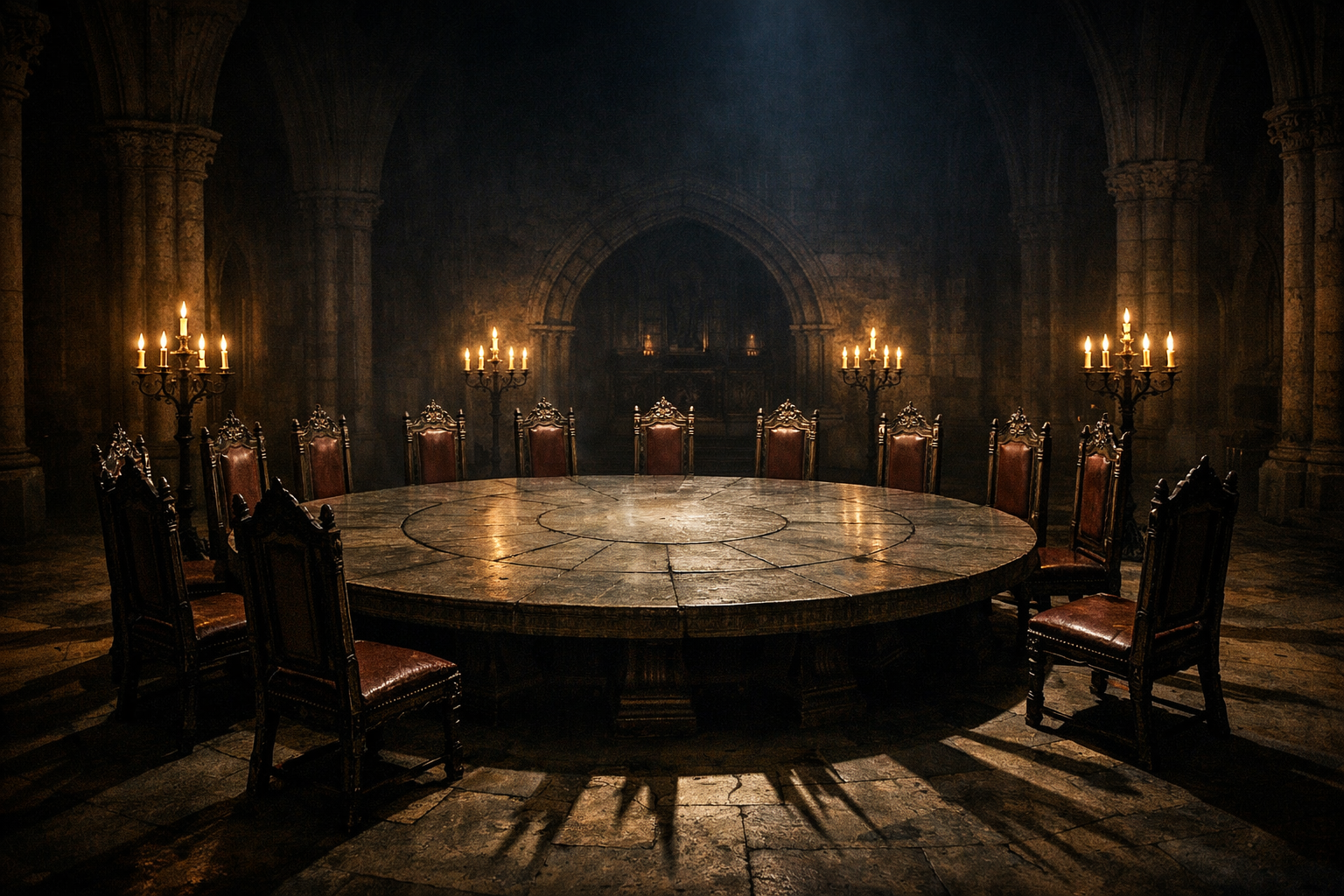
The Round Table: where alliances fracture and accusations determine fate
Information Asymmetry: The Engine of Drama
The format's genius lies in structured inequality of information. This information asymmetry creates measurable mathematical patterns that skilled players learn to exploit:
- Traitors know exactly who everyone is - they have perfect information
- Faithfuls know only their own role - they operate in darkness
- Viewers know everything - creating delicious dramatic irony
This asymmetry creates the central tension: Traitors must maintain their cover under scrutiny while Faithfuls must identify patterns from sparse, unreliable data.
The Win Conditions
Faithfuls Win If:
All Traitors are banished before the endgame. Surviving Faithfuls split the prize pool.
Traitors Win If:
At least one Traitor survives to the finale. All Traitors share the entire prize pool.
Why It Works
The Traitors succeeds because it engages fundamental human psychology:
- Detection instinct - We're evolutionarily primed to spot cheaters. Our cognitive systems for detecting deception evolved over millennia
- Dramatic irony - Knowing what characters don't creates unbearable tension. Audiences become engaged detectives
- Moral complexity - We often root for skilled Traitors despite their "villainy", especially the hidden power players
- Social dynamics - Watching alliances form and fracture is endlessly compelling, with distinct player archetypes emerging across seasons
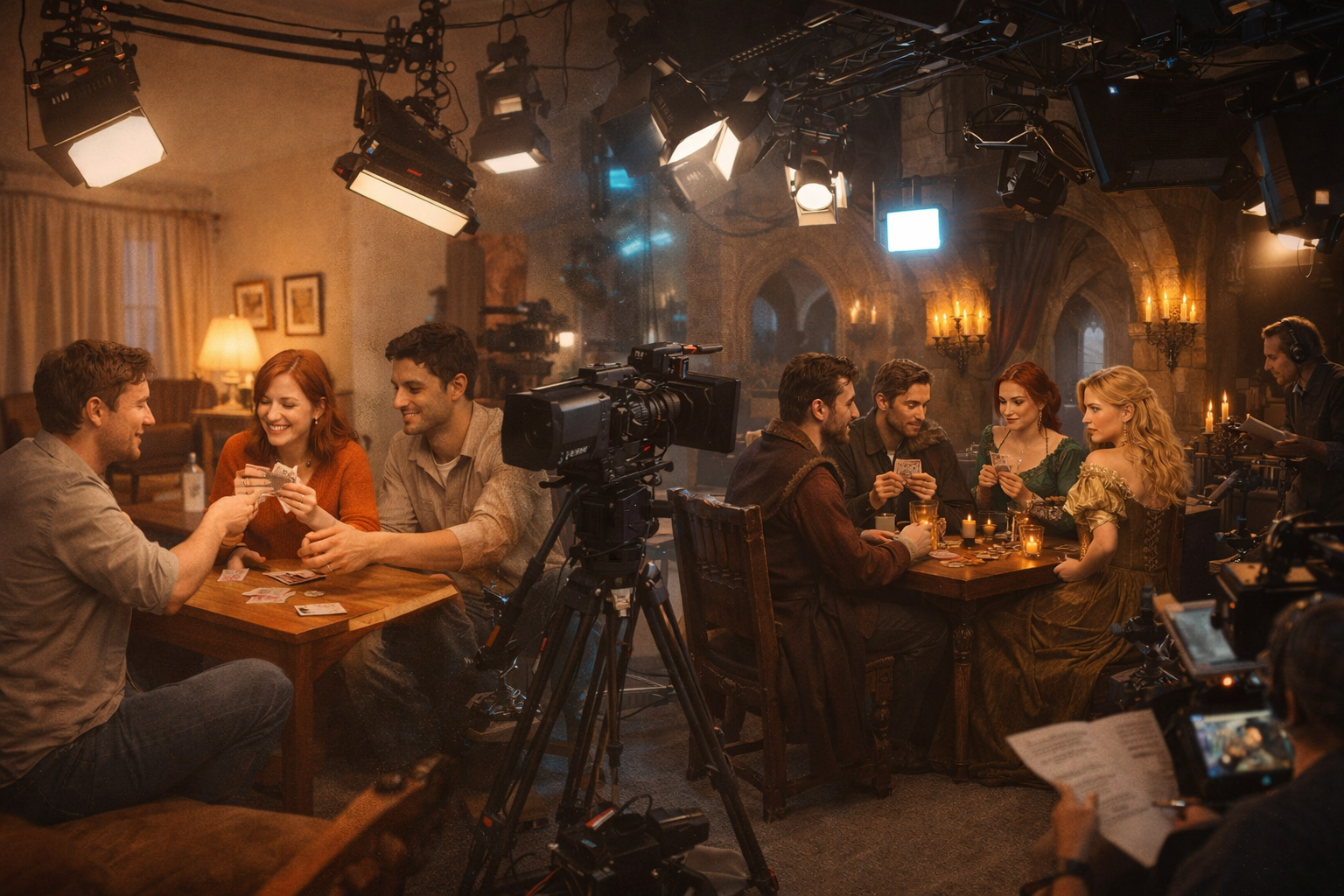
The format's transformation from party game to global television phenomenon
The Global Explosion
From the Dutch original, the format spread with unprecedented speed. The UK version became BBC's biggest unscripted hit in years. The US adaptation mixed reality TV veterans with civilians. Australia introduced mechanical innovations. Each territory adapted the core while reflecting local culture in fascinating ways.
The same game produces different experiences in direct Dutch culture versus indirect British politeness versus theatrical American drama. This cultural flexibility is part of the format's genius.
"The Traitors works because it's a mathematically elegant game about trust and betrayal played by emotional humans who can never fully hide what they're feeling." Understanding these emotional patterns is key to building AI that can simulate authentic deception.
Key Takeaways
- Information asymmetry creates natural dramatic tension
- The daily loop provides rhythm and escalating pressure
- Win conditions create genuine stakes for both factions. Future format innovations may add new twists
- Format flexibility enables cultural adaptation
- Psychological hooks engage deep human instincts